
| All rights reserved. |


Jackson County, Florida
Historic Sites and Research
Historic Sites and Research
 |
| |
 |
| |
 |
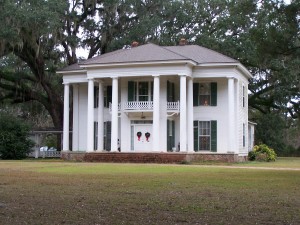
Sylvania Plantation
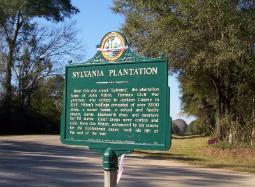
Just up the hill from Jackson County's popular
Blue Spring Recreation Area, a state historical
marker points out the site of Sylvania. It was here
that Florida Governor John Milton, a radical
secessionist, took his own life at the end of the
Civil War.
Milton settled here in 1845, farming cotton and
other crops in fields that had been carved from the
wilderness during the 24 years since Florida had
been transferred from Spain to the United States.
In 1860, as Florida residents deliberated secession
from the Union, Milton was elected to the
governor's chair. He assumed office in 1861 and
guided the state through the turbulence of the Civil
War.
Milton's term was plagued with difficulty. In early
1862, Confederate troops evacuated much of the
state leaving the defense of Florida largely to the
governor and his fellow state officials. In this
effort, he did remarkably well. Milton energetically
raised defense forces in Florida, while at the same
time deluging the Confederate capitol in Richmond
with letter after letter requesting arms, ammunition
and support.
Despite his loyalty to the Southern "Cause" and
the Confederacy in general, Milton also fiercely
defended Florida's status as an independent entity.
He often berated Confederate authorities for their
treatment of citizens in the state and on one
occasion confronted military officers over their
decision to imprison the wives and children of a
band of deserters from Taylor County. At Milton's
insistence, these non-combatants were released
from a concentration camp near Tallahassee and
sent through the lines to the Union side.
When not in Tallahassee, John Milton spent much
of the Civil War here at Sylvania and many of his
official correspondence was written here. A camp
of Confederate cavalry was established at nearby
Blue Spring to provide security for the governor
and his family.
Several members of the governor's family also
served the Confederate effort. His son, William H.
Milton, served with both the 2nd and 5th Florida
Cavalries, eventually rising to the rank of major
with the 5th. Another son fought at the Battle of
Natural Bridge as a member of the corps of cadets
from the West Florida Seminary (today's Florida
State University).
Blue Spring Recreation Area, a state historical
marker points out the site of Sylvania. It was here
that Florida Governor John Milton, a radical
secessionist, took his own life at the end of the
Civil War.
Milton settled here in 1845, farming cotton and
other crops in fields that had been carved from the
wilderness during the 24 years since Florida had
been transferred from Spain to the United States.
In 1860, as Florida residents deliberated secession
from the Union, Milton was elected to the
governor's chair. He assumed office in 1861 and
guided the state through the turbulence of the Civil
War.
Milton's term was plagued with difficulty. In early
1862, Confederate troops evacuated much of the
state leaving the defense of Florida largely to the
governor and his fellow state officials. In this
effort, he did remarkably well. Milton energetically
raised defense forces in Florida, while at the same
time deluging the Confederate capitol in Richmond
with letter after letter requesting arms, ammunition
and support.
Despite his loyalty to the Southern "Cause" and
the Confederacy in general, Milton also fiercely
defended Florida's status as an independent entity.
He often berated Confederate authorities for their
treatment of citizens in the state and on one
occasion confronted military officers over their
decision to imprison the wives and children of a
band of deserters from Taylor County. At Milton's
insistence, these non-combatants were released
from a concentration camp near Tallahassee and
sent through the lines to the Union side.
When not in Tallahassee, John Milton spent much
of the Civil War here at Sylvania and many of his
official correspondence was written here. A camp
of Confederate cavalry was established at nearby
Blue Spring to provide security for the governor
and his family.
Several members of the governor's family also
served the Confederate effort. His son, William H.
Milton, served with both the 2nd and 5th Florida
Cavalries, eventually rising to the rank of major
with the 5th. Another son fought at the Battle of
Natural Bridge as a member of the corps of cadets
from the West Florida Seminary (today's Florida
State University).
| Sylvania Plantation The home of Florida's Confederate governor, Sylvania was one of the largest antebellum plantations in the state. |
Governor Milton was actively involved in the
effort to defend Tallahassee when the city was
threatened by Union attack in March of 1865. He
helped provide logistical support and did what he
could to rally the troops, many of whom were local
reservists and "home guards," as they boarded
trains to fight at the Battle of Natural Bridge. The
battle was a Confederate victory and sustained
Tallahassee's status as the only Southern capital
east of the Mississippi not captured by Union
forces.
Even as Tallahassee celebrated the victory,
however, one observer noted that the governor
appeared sad and melancholy. Undoubtedly he
knew that the South was on the verge of defeat.
Returning to his home at Sylvania later in March,
he took his own life on April 1, 1865. Family
members later recalled that they were gathered in
the parlor when they heard the sound of a shotgun
blast in the governor's bedroom.
Governor Milton is buried at St. Luke's Episcopal
Church in Marianna. His portrait can be seen in the
courthouse at Marianna, as well as in the historic
Old Capitol in Tallahassee.
The governor's home no longer stands, nor do any
of the other buildings of the plantation. Much of
his land is still farmed, however, and the general
appearance of the area has not changed much since
the Civil War.
effort to defend Tallahassee when the city was
threatened by Union attack in March of 1865. He
helped provide logistical support and did what he
could to rally the troops, many of whom were local
reservists and "home guards," as they boarded
trains to fight at the Battle of Natural Bridge. The
battle was a Confederate victory and sustained
Tallahassee's status as the only Southern capital
east of the Mississippi not captured by Union
forces.
Even as Tallahassee celebrated the victory,
however, one observer noted that the governor
appeared sad and melancholy. Undoubtedly he
knew that the South was on the verge of defeat.
Returning to his home at Sylvania later in March,
he took his own life on April 1, 1865. Family
members later recalled that they were gathered in
the parlor when they heard the sound of a shotgun
blast in the governor's bedroom.
Governor Milton is buried at St. Luke's Episcopal
Church in Marianna. His portrait can be seen in the
courthouse at Marianna, as well as in the historic
Old Capitol in Tallahassee.
The governor's home no longer stands, nor do any
of the other buildings of the plantation. Much of
his land is still farmed, however, and the general
appearance of the area has not changed much since
the Civil War.
| Now Available! |
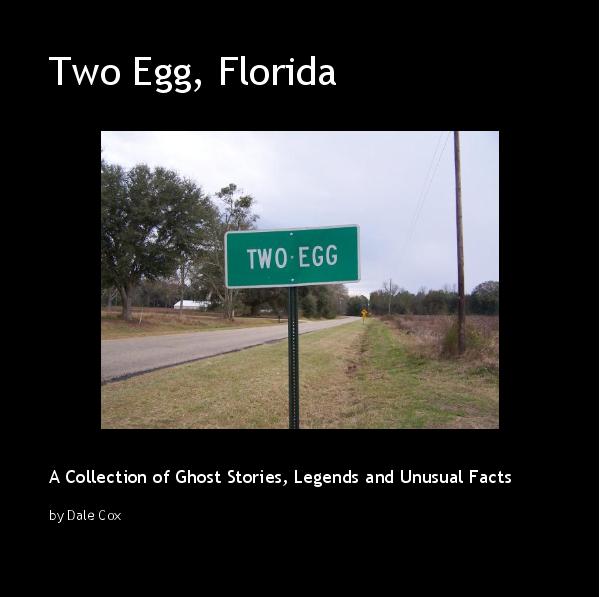
| Two Egg, Florida: A Collection of Ghost Stories, Legends and Unusual Facts by: Dale Cox The latest book from Southern writer and historian Dale Cox is now available! Two Egg, Florida is a unique collection of legends and "tall tales" from Northwest Florida. |
| Available in both Hard and Soft Cover |